How energy efficient are composite doors compared with uPVC?
- May 19, 2026
- |Doors
The biggest home improvement trend of 2026 so far has been the demand for thermally efficient products, especially as energy bills continue to soar in the UK.
This is especially true for front doors, which play a vital role in keeping heat inside your home. If you choose the right door material, you’ll be less dependent on costly appliances like radiators to heat up the property.
Composite doors rightly have a reputation for being the most thermally efficient front door money can buy, which is largely thanks to their multi-layered construction, including a dense foam core designed to reduce heat transfer.
uPVC is the UK’s most popular front door material, and truth be told it does perform well from a thermal standpoint. This blog will compare composite and uPVC materials when it comes to energy efficiency, giving you an idea of whether it’s worth upgrading to a composite door.
Introducing composite doors
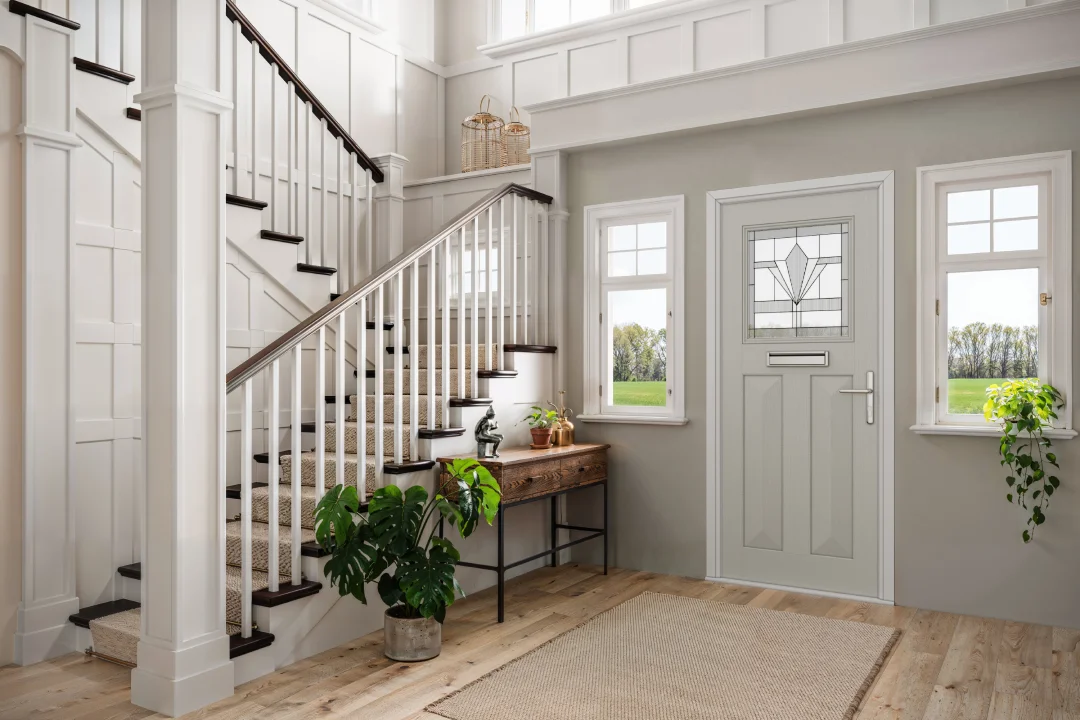
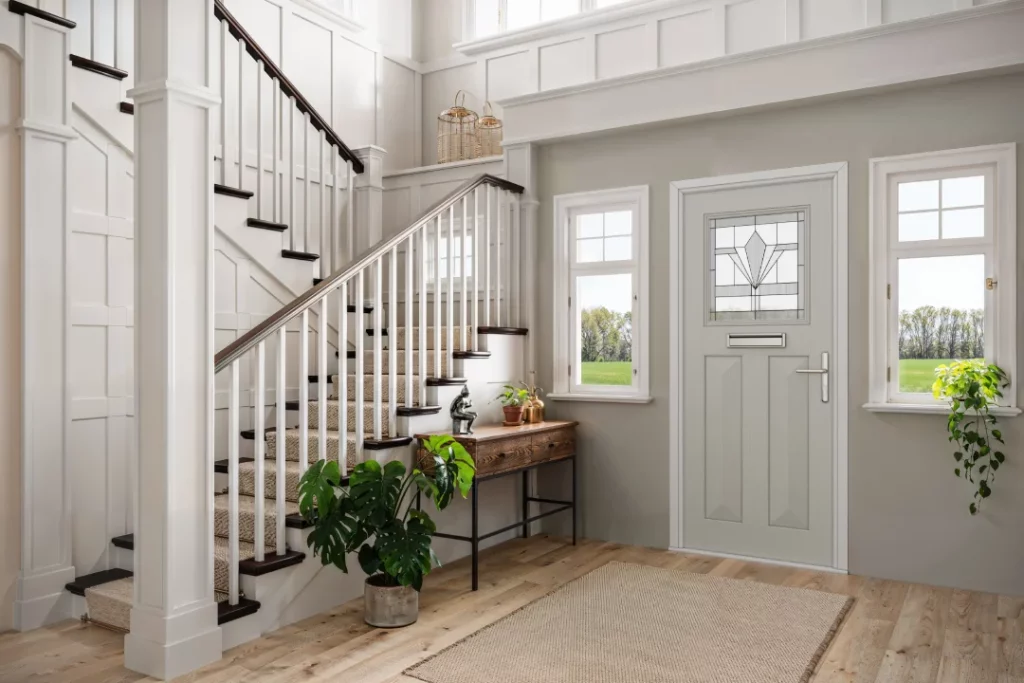
A composite door is built using a combination of materials, each chosen for a specific purpose. At Yorkshire Conservatories, we supply and install high-performance DoorCo systems designed for strength, insulation and security.
These composite front doors are engineered as a multi-layer system, so here’s a breakdown of what’s included:
- A tough GRP (glass reinforced plastic) outer skin that resists weather and wear
- A high-density foam core for elite insulation (this is what keeps heat inside your home)
- Internal reinforcement layers to ensure the door doesn’t lose its shape
- A tightly sealed frame system to reduce draughts
These materials are all chosen specifically for the value they add, especially from a thermal performance standpoint. The strengths of each layer combine to stops draughts getting in, and keep the warmth inside.
Our composite doors achieve energy ratings of B at least, which is excellent for UK building regulations and puts them among the most energy efficient home entrances on the market.
Introducing uPVC doors
uPVC doors have been a popular choice in UK homes since the late 20th century. uPVC (unplasticised polyvinyl chloride) became widely used because it offered a low-cost, durable and low maintenance alternative to timber.
At Yorkshire Conservatories, we manufacture our own uPVC entrance doors in-house, giving us control over lead times, but also allowing us to independently test them for quality.
While uPVC doors are a budget-friendly option, they still provide good insulation that often-tops aluminium. However, compared with composite doors, uPVC tends to offer slightly lower energy performance and less advanced insulation.
That said, uPVC remains an excellent choice for homeowners who want dependable performance without a higher upfront cost.
Comparing the energy efficiency of composite and uPVC doors
Here’s a look at how composite and uPVC doors compare when it comes to insulation, heat retention and draught prevention so you can make the most informed decision.
Insulation performance
Composite doors
Composite doors are designed with a dense, insulated foam core that is designed to trap heat inside the building. This is something you won’t find in any other door.
uPVC doors
The inside of a uPVC door is actually quite complex, but there’s good reason for that. If you were to cut the door in half, you’d see a variety of compartments between the interior and exterior. These small boxes are in place to trap heat and prevent it from entering/leaving. While effective, they do not contain the same level of dense insulating material as composite cores, which means slightly more heat can escape over time.
Winner: Composite doors
- Better insulation due to the foam core
Heat retention
Heat retention is vital for keeping your home comfortable and controlling energy bills. A door that retains heat well reduces the need for constant heating, especially in colder months.
Composite doors
Composite doors excel at holding warm air inside the home. This is thanks to the insulating core once again, and the tight seals that create a barrier around the frame. It’s especially important to choose professional installation, as this will ensure there are no gaps for draughts to seep in.
uPVC doors
uPVC doors also perform well. However, they are slightly less effective at long-term heat retention due to lighter frame construction.
Winner: Composite doors
- The best at keeping heat inside
- Better support for lower heating costs
Draught prevention
Draught prevention has a huge impact on comfort. Even small gaps can allow cold air in and reduce overall efficiency.
Composite doors
Composite doors use advanced multi-layer weather seals and compression systems. These create a tight seal around the frame, preventing draughts and water ingress.
uPVC doors
uPVC doors also include weather seals, but over time these can compress or degrade slightly faster than composite systems, especially in exposed areas.
Winner: Composite doors
- Stronger sealing systems
- Better resistance to draughts in exposed homes
Why thermal performance is so important
Good thermal performance is not just about keeping warm. It directly affects:
- Monthly energy bills
- Overall energy efficiency of your home
- Comfort levels in every season
- Environmental impact and carbon emissions
In fact, the UK Government’s advice on home energy efficiency highlights that improving insulation and reducing heat loss can significantly lower household energy consumption over time. A well-insulated door is a simple but effective way to support this.
For many homeowners, especially those upgrading older properties, choosing a thermally efficient door is one of the quickest ways to improve comfort without major renovation work. It’s also something that’s sought after with new buyers, so a thermally efficient composite door also promises to raise the value of your home.
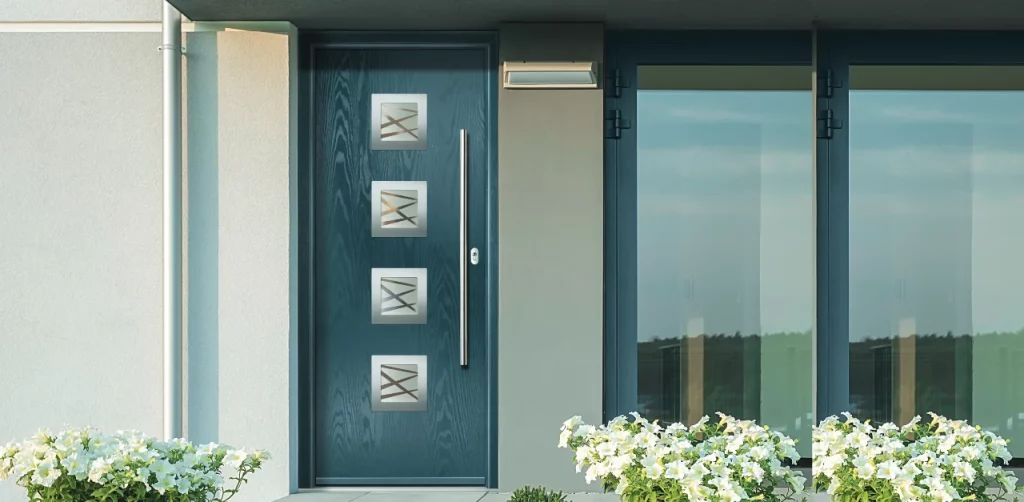
What are the other benefits of composite doors?
While thermal efficiency is a major advantage, composite doors are often considered the elite choice for modern entrance systems because of their wider range of benefits.
Strength & durability
Composite doors are incredibly strong thanks to their multi-layered construction. The GRP outer skin resists impacts, scratches and general wear, while internal reinforcement prevents warping.
They are designed to withstand harsh weather conditions and can last 25-30+ years with ease. This makes them a smart investment for the long term.
Low maintenance requirements
Unlike wooden doors, composite doors do not require painting, sanding or sealing. A simple wipe is enough to keep them looking fresh.
This makes them ideal for busy homeowners who want to avoid the hassle of constant upkeep. Even we’ll admit, treating a door is not the best way to spend a weekend!
Customisation
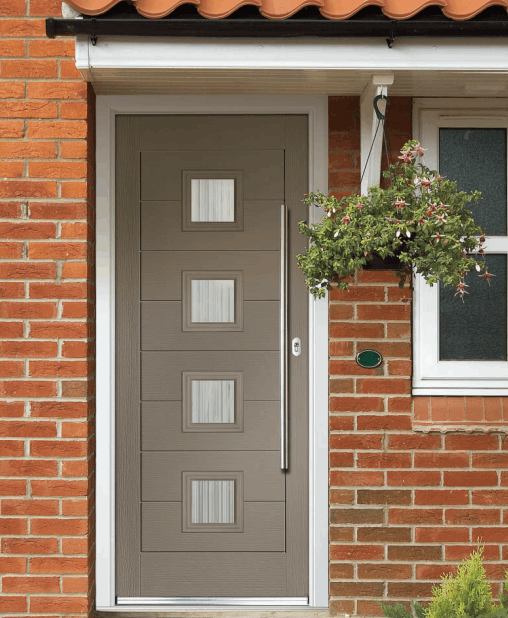
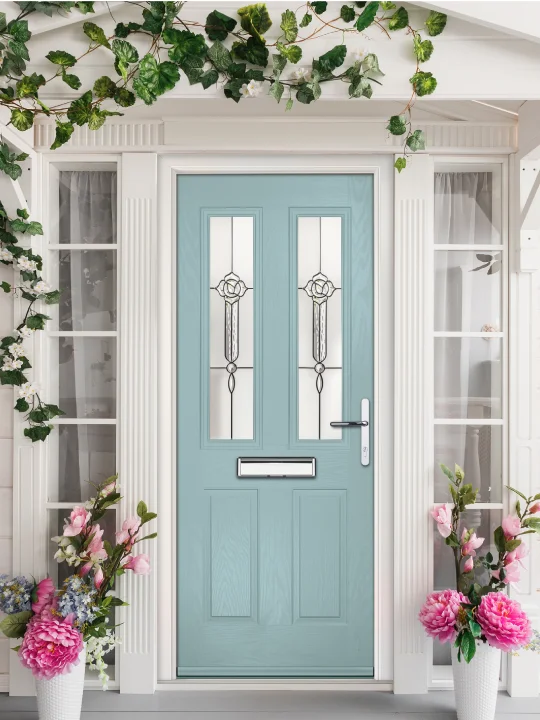
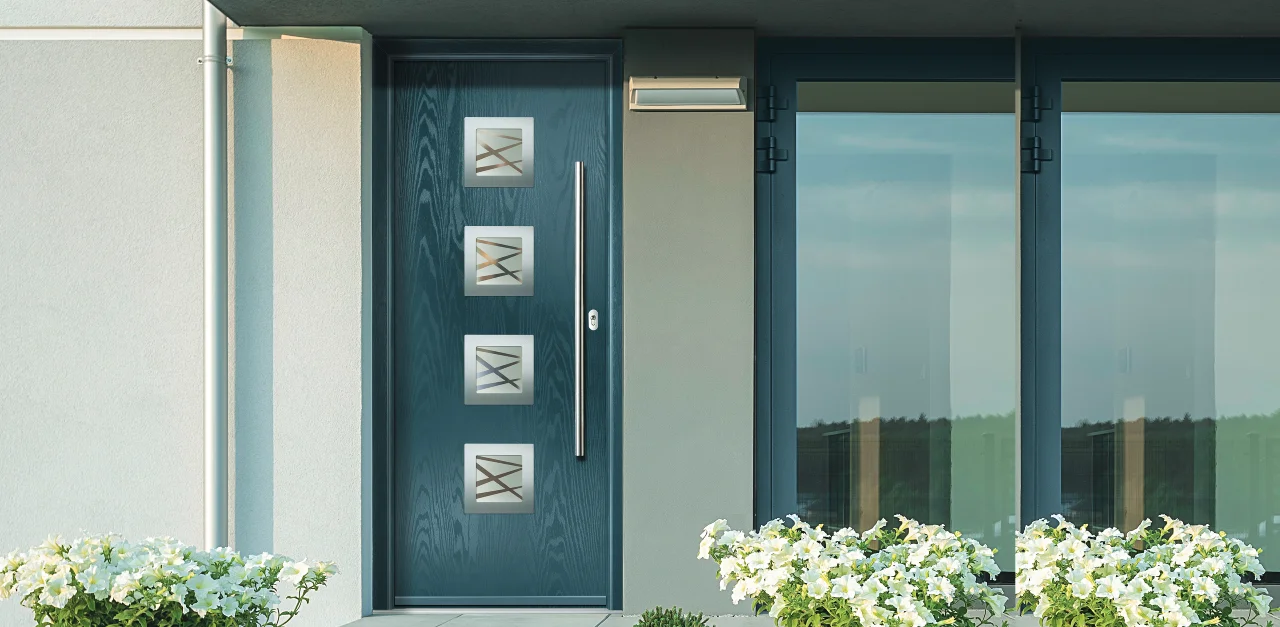
Composite doors come in a huge range of styles and finishes, including:
- A wide range of colours, from classic white and black to Chartwell green and anthracite grey
- Woodgrain effects for the authentic look of wood
- Dual colour options (this means the inside of the door can have a different colour to the out)
- Decorative glazing and modern inserts
This flexibility means you can match your aesthetic appeal to both traditional and modern homes.
Security
Security is also a really important factor when choosing a new front door. Composite doors offer:
- Multi-point locking systems
- Reinforced cores
- High-security cylinders with anti-snap protection
These features help meet high security standards and give homeowners real peace of mind.
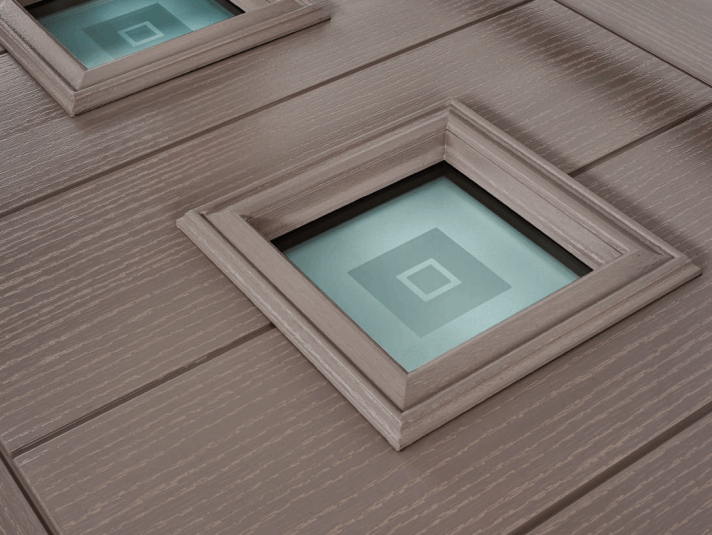
Composite doors from Yorkshire Conservatories
At Yorkshire Conservatories, we supply and install high-quality DoorCo systems designed for performance, durability and style.
Our composite front doors feature:
- GRP weather-resistant outer skin
- High-density foam core
- Advanced sealing systems to reduce draughts
- Excellent thermal efficiency, rated at least B
- A full range of colours, glazing styles and hardware options
- Secure multi-point locking systems for modern safety expectations
Every door is made to measure, ensuring a perfect fit for your home. Our experienced team manages the full installation process, making sure everything is fitted correctly for maximum performance.
Whether you are upgrading your front doors or replacing older uPVC doors, we can help you find the right choice for your home, budget and style.
Frequently asked questions
Are composite doors more energy efficient than uPVC doors?
Yes, composite doors generally offer better insulation due to their insulated core and layered construction. This reduces heat loss more effectively than uPVC, helping improve comfort and lower energy bills over time.
Do uPVC doors still meet energy efficiency standards?
Yes, modern uPVC doors meet current building regulations and provide good thermal performance. They are a cost-effective option, especially for homeowners on a tighter budget.
How long do composite doors last?
Composite doors typically last 25-30 years or more with minimal maintenance. Their durable construction makes them a long-term solution for many homes.
Are composite doors worth the higher cost?
For many homeowners, yes. While composite doors have a higher upfront cost, their energy savings, durability and security often make them a worthwhile investment over the long term.
Do you install both composite and uPVC doors?
Yes. At Yorkshire Conservatories, we install both options, offering tailored advice so you can choose what best suits your home and budget.
Who are Yorkshire Conservatories?
Yorkshire Conservatories is a trusted Yorkshire-based home improvement company with over 30 years of experience helping homeowners improve their living spaces. We specialise in conservatories, orangeries, windows, doors and replacement roofs, all designed with energy efficiency and comfort as a priority.
We manufacture our own uPVC products in-house and work with leading suppliers including Smart Aluminium, Sheerline, Ultraframe, Quickslide and DoorCo.
We offer:
- A 10-year product guarantee and 2-year installation cover
- Flexible finance options
- No-pressure, honest advice
- Full design support including CAD drawings
- A showroom in Mapplewell, Barnsley (S75 6AS)
- Expert installation across Yorkshire, including Huddersfield and surrounding areas
Find us: 85b Towngate, Mapplewell, Barnsley, S75 6AS
Call us: 01226 210063
Email us: sales@yorkshireconservatories.co.uk
Our team is always happy to help you take the first step towards a warmer, more efficient home.
Key points
- Composite doors offer higher energy efficiency than uPVC
- Insulated cores reduce heat loss and improve comfort
- uPVC doors are a strong budget-friendly alternative
- Composite doors provide better sealing and thermal performance
- Both options improve efficiency compared with older wooden doors
- Choice depends on budget, style and long-term goals